Going Past the Bonus: Ongoing Value When Poker Tracking Software Meets Real Promotions
Poker fans across regional New South Wales, from the pubs around Newcastle to the RSLs dotted along the Central Coast, are increasingly asking whether poker tracking software is legal when paired with the kinds of welcome bonuses and ongoing promos that dominate Australian gaming sites. The honest answer sits in the Interaction Act 2001 (Cth), which prohibits online casino operators from offering real-money poker to people physically in Australia, but treats using personal database tools like PokerTracker, Hold’em Manager or ICMIZER on the client side as a completely normal piece of study software, the same way a spreadsheet is legal for a small business. The added layer right now is that licensed international platforms serving Aussie players, including those reviewed through curated resources like https://ozwincodes.net/, are leaning harder on recurring rewards rather than one-off splash-and-dash offers, which makes the promo structure as important as the tracking tool itself when you weigh up where to grind.
What «Legal» Actually Means for Tracking Software in Australia
In a trading-floor sense, legality comes down to who touches the data and where the decision is made. Under the IGA, the provider cannot lawfully offer interactive casino wagering services to people in Australia, yet the Act is silent on a player downloading a hand-history analyser to their own laptop. PokerTracker and Hold’em Manager function locally: they read logs you already have access to, run EV calculations, and spit out stats. They do not inject code into the client, do not collude, and do not give you real-time advice against another human at the table. NSW Liquor & Gaming NSW has not prosecuted anyone for using stat trackers, and the ACMA’s enforcement priorities under Updated Determination 2018 sit squarely on unlicensed operators, not on grinders analysing their own hands. The only line you cross is if the software actively reads opponents’ hole cards or automates decisions, both of which breach the T&Cs of every legitimate site globally.
Ongoing Promos That Actually Move Your Bottom Line
Recurring value is where most poker trackers earn their keep, and the structures worth your time look like this. Weekly rakeback between 15% and 40% paid in cash, not tournament tickets. Monthly leaderboard races on MTTs with $5,000-plus prize pools that don’t reset your VIP progress if you take a week off. Mission-based cashback where you earn 5% of net losses back as withdrawable funds, capped at $200 weekly. Crypto reload bonuses at 50% up to $500 on Bitcoin deposits, since 2026 has seen a lot of operators push BTC rails through Neteller and MiFinity after the big banks tightened card funding in Sydney and Brisbane. Always read the turnover. A 25x turnover on the bonus alone is grindable over a weekend of $0.50/$1 zoom; 60x across bonus plus deposit is not, no matter how shiny the headline looks.
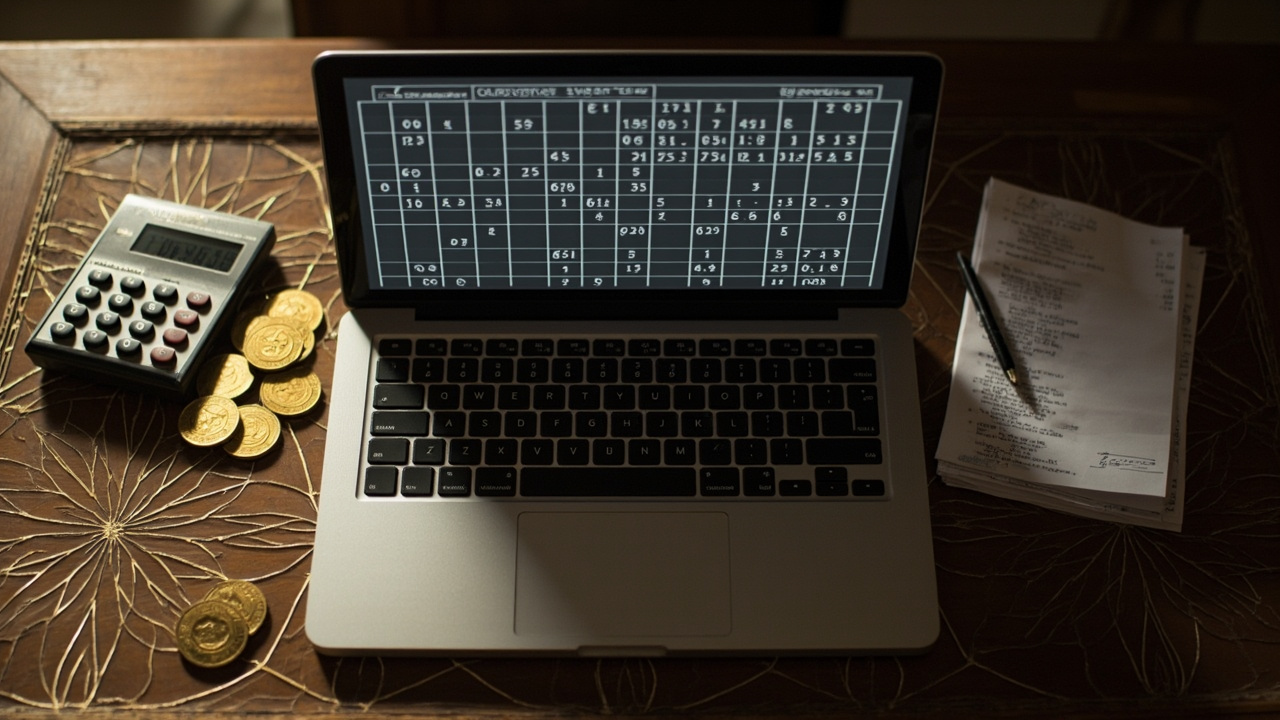
Player-Fit Scenarios: Which Setup Suits You in 2026
The recreational grinder who plays Sunday $11 MTTs and a couple of nightly cash tables at $0.10/$0.25 wants low-friction ongoing value. A rakeback deal of 20% plus a weekly $50 freeroll fits better than a matched-deposit welcome offer, because the recurring structure compounds across the year. Stack PokerTracker 4 alongside an iPad mini for browsing stats during arvo rail sessions, and the cost-benefit maths gets silly.
The serious student who logs 5,000 hands a month across three stakes and uses solvers nightly should target sites with daily $500 freerolls for high-volume grinders plus reload bonuses tied to hand count, not just deposit size. ICMIZER for tournament push/fold plus a heads-up display through Hold’em Manager 2 covers the analytical edge while the rakeback covers the variance.
The micro-stakes grinder in regional WA or out near Tamworth who plays $0.02/$0.05 and chases bonuses needs the smallest learning curve. A flat 10% cashback on net losses, no questions asked, plus weekly missions like «play 100 hands of PLO to earn $5 cash», beats a giant welcome offer every time, because you actually clear it without burning your roll chasing turnover.
A small glossary helps when you wade through the small print. «Rakeback» is the share of the pot fee returned to you as a loyalty reward. «Turnover» is the total amount you must wager before bonus funds convert to cash. «ICM» stands for Independent Chip Model, used in tournament equity decisions. «HUD» means Heads-Up Display, the overlay that shows live opponent stats on your screen. «Reload bonus» is a matched offer for existing customers, not just first-time depositors.
Now consider how all of this connects to pot odds decisions you face every session, since recognising implied odds properly is half of staying ahead long term, and this Australian-friendly guide to pot odds walks through the maths the same way a tracking export does. Send this to a mate who reckons bonuses are a scam, then drop a comment below with the recurring promo that has actually paid out for you at the tables this year.